

Why Do Off-Road Shoppers Compare the Toyota Tacoma and Chevrolet Colorado First?
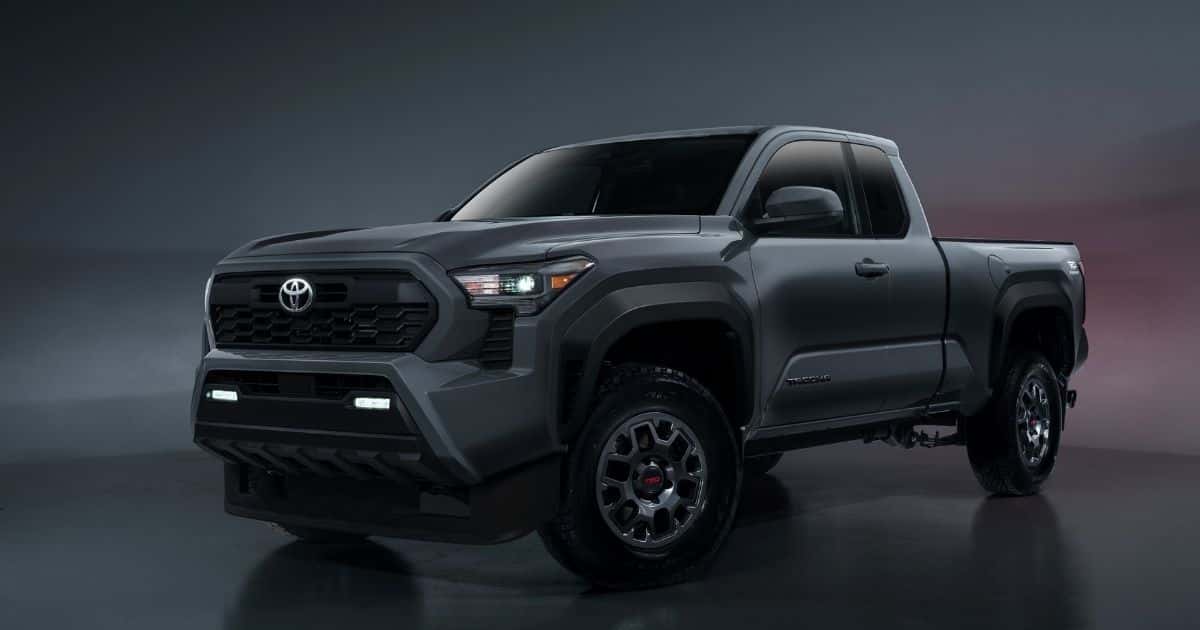
Midsize pickups appeal to drivers who want useful truck capability without moving to a full-size model. For off-road shoppers, two names frequently rise near the top of the list: the Toyota Tacoma and Chevrolet Colorado. Both offer purpose-built trail configurations, specialized suspension hardware, terrain technology, protective equipment, and enough everyday practicality to serve as daily drivers.
The comparison is particularly relevant in Northern Colorado. Drivers around Greeley, Fort Collins, Loveland, and Weld County can encounter everything from city streets and highways to gravel roads, steep grades, and mountain trails. The Tacoma and Colorado approach those challenges differently, giving shoppers good reasons to examine both before choosing a truck.
Why Are the Tacoma and Colorado Strong Off-Road Rivals?
The biggest reason is simple: neither manufacturer treats off-roading as a single trim or appearance package. Both truck families offer increasingly specialized configurations as terrain gets more demanding.
Toyota’s Tacoma lineup includes the TRD PreRunner, TRD Off-Road, Trailhunter, and TRD Pro, among other grades. Chevrolet counters with models such as the Colorado Trail Boss, Z71, ZR2, and the more extreme ZR2 Bison.
That depth lets shoppers match the truck to their needs rather than automatically choosing the most aggressive version.
| Off-Road Priority | Toyota Tacoma | Chevy Colorado |
|---|---|---|
| Entry-level trail capability | TRD PreRunner | Trail Boss |
| Versatile off-road model | TRD Off-Road | Z71 |
| Advanced off-road focus | TRD Pro | ZR2 |
| Overlanding or extreme trail option | Trailhunter | ZR2 Bison |
| Available terrain cameras | Yes | Yes |
| Specialized suspension options | Yes | Yes |
| Factory underbody protection | Available | Available |
For shoppers comparing the entire segment rather than only these two trucks, our How Does the Toyota Tacoma Compare to Every Midsize Truck Competitor guide provides a broader look at how Tacoma fits among today’s alternatives.
How Does Tacoma Performance Compare With Colorado?
Power delivery is one area where these trucks take notably different approaches. The current Tacoma offers a turbocharged 2.4-liter i-FORCE engine with up to 278 horsepower and 317 lb-ft of torque. Toyota also offers the i-FORCE MAX hybrid powertrain, producing 326 horsepower and 465 lb-ft of torque.
The Colorado uses a 2.7-liter TurboMax engine producing 310 horsepower and 430 lb-ft of torque. It pairs that engine with an eight-speed automatic transmission.
Performance Comparison
| Specification | Toyota Tacoma | Chevy Colorado |
|---|---|---|
| Gas Engine | 2.4L turbocharged i-FORCE | 2.7L TurboMax |
| Gas Output | Up to 278 hp, 317 lb-ft | 310 hp, 430 lb-ft |
| Available Hybrid | Yes | No |
| Hybrid Output | 326 hp, 465 lb-ft | Not available |
| Automatic Transmission | 8-speed | 8-speed |
| Available Manual | 6-speed on select models | No |
The Colorado has an advantage in output when comparing its TurboMax engine with Tacoma’s non-hybrid i-FORCE configuration. Toyota answers with the available i-FORCE MAX, which provides substantially more torque while adding electrification to the Tacoma lineup.
Tacoma also retains something increasingly unusual in modern midsize trucks: an available six-speed manual transmission on select configurations. That gives drivers another way to tailor the truck to their preferences.
What Makes the Toyota Tacoma TRD Off-Road Capable?
For many buyers, TRD Off-Road represents an appealing middle point in the Tacoma family. It adds equipment designed for difficult surfaces without moving all the way to the specialized TRD Pro or Trailhunter.
Available features include an electronically locking rear differential, Multi-Terrain Monitor, Multi-Terrain Select, and CRAWL Control. An available Stabilizer Disconnect Mechanism can increase suspension articulation by disconnecting the front stabilizer bar when additional wheel movement is useful.
CRAWL Control acts like low-speed off-road cruise control, managing acceleration and braking at selectable speeds so the driver can concentrate more closely on steering through difficult terrain.
Multi-Terrain Select takes a different approach. It adjusts vehicle systems to improve traction on surfaces such as mud, dirt, and sand.
These technologies matter because off-road performance involves more than engine output. Traction management, suspension movement, visibility, gearing, and driver control can determine how effectively a truck negotiates obstacles.
How Does the Chevy Colorado ZR2 Compare?
The Colorado ZR2 is a serious rival. Chevrolet equips it with Multimatic DSSV dampers, 33-inch mud-terrain tires, a three-inch factory lift, full skid plates, and rocker protection. Five selectable drive modes allow drivers to adjust vehicle behavior for different situations.
The ZR2 also offers underbody cameras that help drivers see terrain beneath the truck. Its Baja mode adjusts power delivery, stability control, and traction settings for higher-speed driving over loose terrain.
Chevrolet takes capability even further with the ZR2 Bison. Developed with American Expedition Vehicles, the Bison uses 35-inch mud-terrain tires, five boron-steel skid plates, front and rear jounce control dampers, and 12.2 inches of ground clearance.
The Colorado therefore deserves its place in this comparison. Shoppers focused on highly specialized rock crawling or aggressive terrain should give the ZR2 and ZR2 Bison serious consideration.
What Do Tacoma TRD Pro and Trailhunter Offer?
Toyota separates its highest-level off-road Tacoma models into two distinct personalities.
TRD Pro emphasizes higher-performance trail driving. Its hardware includes FOX® QS3 adjustable internal bypass shocks with rear piggyback reservoirs, a Stabilizer Disconnect Mechanism, underbody protection, and 33-inch Goodyear® Territory R/T tires.
It also features IsoDynamic Performance front seats. These seats use an air-over-oil shock absorber system designed to help stabilize occupant movement during rough off-road driving. Trailhunter takes an overlanding-focused approach. It combines the i-FORCE MAX powertrain with Old Man Emu® forged monotube shocks, 33-inch Goodyear® Rugged-Terrain tires, a high-mount air intake, underbody protection, and an ARB® steel rear bumper with recovery points.
| Tacoma Model | Primary Focus | Notable Hardware |
|---|---|---|
| TRD Off-Road | Versatile trail use | Locking rear differential, available SDM |
| TRD Pro | High-performance off-roading | FOX® QS3 shocks, IsoDynamic seats |
| Trailhunter | Overlanding | Old Man Emu shocks, ARB equipment |
This variety is one of Tacoma’s strongest advantages. Instead of asking whether Tacoma is “good off-road,” shoppers can choose the off-road capability that best matches their plans.
Which Truck Has Better Off-Road Technology?
 Both trucks provide technology that goes beyond entertainment. Tacoma’s available Multi-Terrain Monitor can display surrounding terrain on the available 14-inch touchscreen, helping the driver identify obstacles that may otherwise be difficult to see.
The Colorado ZR2 uses underbody cameras and an off-road performance display to provide useful trail information. Its selectable drive modes also make it easy to configure the truck for specific surfaces.
Neither system makes the vehicle autonomous or eliminates the need for careful driving. Trail cameras and traction systems are driver-assistance tools designed to improve information and control, particularly when visibility or traction becomes challenging.
What About Everyday Driving?
A truck that performs well on Saturday still needs to work on Monday. This is where midsize dimensions make both the Tacoma and Colorado appealing.
Both provide modern touchscreen systems, smartphone connectivity, driver-assistance features, useful beds, and comfortable crew-cab configurations. Their smaller footprints can also make them easier to maneuver than full-size pickups around parking lots and urban areas.
The Tacoma offers an especially broad range of personalities. A shopper can choose a straightforward daily-driving configuration, move up to TRD Off-Road for more trail capability, or opt for Trailhunter or TRD Pro for more specialized adventures.
That flexibility matters around Greeley, where a truck might spend most of the week commuting on Highway 34 before hauling bikes, camping equipment, or outdoor gear toward the mountains.
Which Is Better for Off-Road Shoppers?
No universal winner exists because the answer depends on the terrain and how the truck will be used. The Colorado ZR2 and ZR2 Bison provide formidable factory off-road equipment, including substantial lifts, specialized dampers, large tires, protective hardware, and useful camera technology.
The Toyota Tacoma counters with greater powertrain variety and a particularly broad selection of specialized off-road configurations. TRD Off-Road offers accessible trail capability, TRD Pro targets demanding performance driving, and Trailhunter provides a factory-developed overlanding option. The available i-FORCE MAX hybrid adds another distinctive choice.
For Northern Colorado shoppers, comparing these trucks should therefore start with use rather than specifications alone. Consider how often you will travel off pavement, whether you need towing or payload capability, what terrain you expect to encounter, and how much time the truck will spend commuting.
McDonald Toyota Greeley serves truck shoppers throughout Greeley, Fort Collins, Loveland, and surrounding Weld County communities. Exploring different Tacoma configurations in person can clarify how much off-road equipment you actually need while keeping the truck comfortable and practical for everyday Colorado driving.

0 comment(s) so far on Why Do Off-Road Shoppers Compare the Toyota Tacoma and Chevrolet Colorado First?