

Toyota Engine Components And Replacement Needs
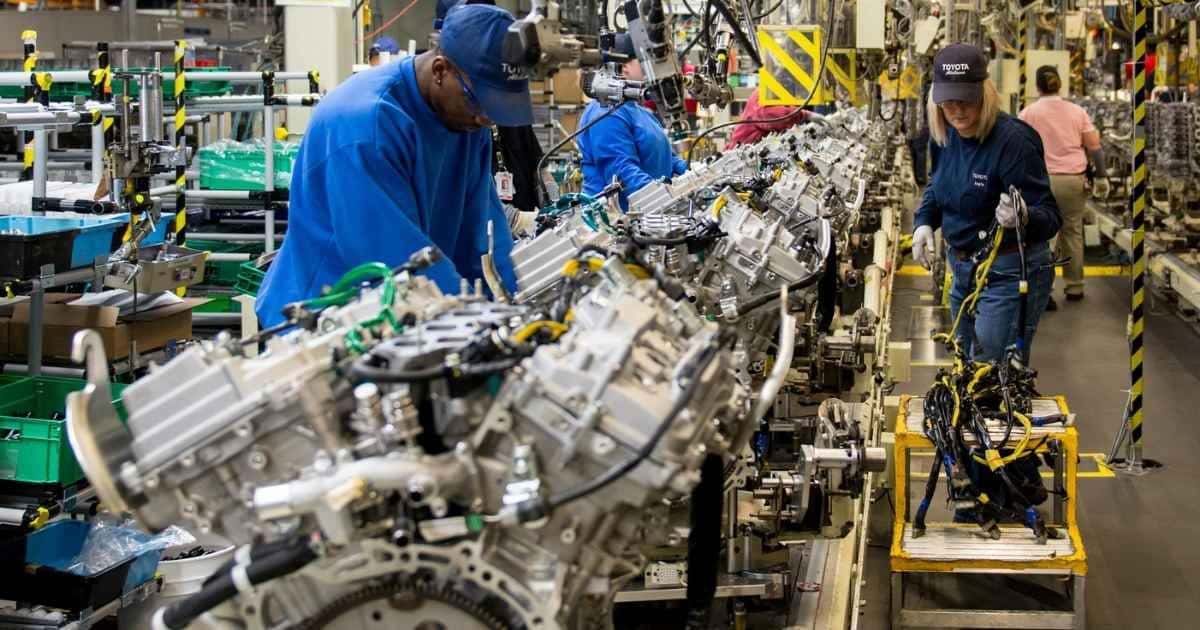
Keeping an engine healthy often feels easier when drivers understand how each part contributes to smooth operation, which is why many people search for guidance on standard components, replacement needs, and long-term care for their vehicles. Learning about these systems helps owners make informed decisions, especially when choosing the right Toyota parts for ongoing maintenance. Questions such as how long specific components last or how to tell when something needs attention often come up in driver conversations, making an accessible explanation useful for everyday planning.
Engines rely on precise coordination among mechanical, electrical, and fuel-related systems. When drivers know the role of each part, they can better recognize early signs of wear. Regular care supports a more stable driving experience and helps prevent issues that commonly arise from skipped service. With a bit of background knowledge, owners can understand why certain replacements matter and what signs to look for during routine checks.
Understanding How Engine Blocks Support Daily Performance
The engine block serves as the foundation for the entire system. It contains the cylinders where combustion occurs and provides structure for components that depend on steady temperature and pressure control. Many drivers ask how often an engine block needs attention and what early symptoms to look for when there is a concern. While the block itself is built for long life, supporting systems such as cooling and lubrication must stay in good condition to keep it functioning correctly. The engine block is subjected to unnecessary stress when coolant levels drop or oil quality declines.
Engine block problems can lead to overheating or loss of power. Drivers sometimes wonder if unusual vibrations are connected to block damage. In many cases, another part of the body is the cause of these symptoms. Still, drivers should never ignore them. Staying attentive allows owners to catch minor issues early and avoid situations that may require larger repairs. Simple habits like monitoring temperature readings and checking oil levels help keep the block stable and ensure the entire engine continues to run smoothly.
The Role Of Pistons And Rings In Power Delivery
Pistons and rings are responsible for creating the compression needed for combustion. They move up and down within the cylinders, forming a tight seal that allows fuel to ignite efficiently. Many owners ask why worn rings cause reduced performance. When these parts lose their seal, air and fuel escape, lowering compression and weakening the engine’s power, which is often noticeable during acceleration or when trying to maintain speed on steep roads.
Replacing pistons and rings is a detailed process, which is why technicians typically inspect these parts during major service milestones. Drivers may notice increased exhaust smoke or higher oil consumption, both common indicators of ring wear. By paying attention to these signs, owners can schedule an inspection before performance noticeably declines. Consistent oil changes also support piston health since clean oil reduces friction and helps the rings maintain a proper seal.
Why Timing Belts And Chains Matter For Longevity
 Timing belts and timing chains keep the engine’s moving parts synchronized. When someone asks what happens if a timing belt fails, the answer is that the engine can stop without warning. In some engines, internal components may collide, creating severe damage, which is why manufacturers specify replacement intervals based on mileage and driving conditions. Belts gradually wear and eventually lose tension, so replacing them at the recommended time helps protect the engine.
Some modern engines use timing chains, and manufacturers design them to last longer. Drivers sometimes wonder whether chains ever need to be replaced. Chains can stretch or wear out guides over time, especially in vehicles that miss oil change intervals. Maintaining proper lubrication helps chains last longer and reduces noise. Both belts and chains are central to smooth operation, so early attention is essential when drivers hear ticking sounds, notice misfires, or feel inconsistent acceleration.
How Fuel Injectors Influence Smooth Engine Operation
Fuel injectors play a significant role in delivering the right amount of fuel at the right moment. When injectors become clogged, drivers often notice symptoms like rough idling or hesitation. Many owners ask how they can tell if injectors need cleaning. One sign is reduced fuel efficiency. Another is an uneven engine sound at low speeds. These changes occur because the injector can no longer deliver a consistent spray pattern, which disrupts combustion.
Cleaning or replacing injectors depends on their condition. Regular use of clean fuel and periodic system checks helps extend injector life. Skilled technicians can test spray patterns and determine whether cleaning will resolve the issue or if replacement is necessary. Since injectors work with sensors and electronic controls, accurate diagnosis is essential. Understanding their role helps drivers appreciate why clean injectors support reliable starts and steady acceleration.
Supporting Engine Health With A Strong Cooling System
The cooling system protects the engine from overheating by circulating coolant through key components, which include the radiator, water pump, thermostat, and hoses. When drivers ask what causes overheating during everyday driving, the most common issues involve coolant leaks, a failing pump, or thermostat problems. Small leaks may not be visible right away, which makes routine inspection helpful. Monitoring temperature gauges also provides early warnings.
Coolant breaks down over time, so technicians recommend periodic flushing. A well-maintained cooling system helps the engine maintain a consistent temperature and prevents stress that can affect the block, pistons, and gaskets. People sometimes wonder if cold weather affects the cooling system. It can, especially when coolant concentration is imbalanced. Using the proper mixture allows the system to regulate temperature in both winter and summer.
The Importance Of A Reliable Lubrication System
 Engine oil protects moving parts by reducing friction and removing heat. When oil quality declines, components such as bearings and camshafts experience increased wear. Drivers often ask how frequently to change oil and whether synthetic oil makes a difference. The answer depends on driving habits, climate, and manufacturer recommendations. Synthetic oil generally offers better protection at extreme temperatures and maintains viscosity longer.
Oil filters also support the lubrication system. A clogged filter forces the engine to work harder, potentially reducing performance or increasing wear. Owners who notice unusual ticking sounds sometimes ask whether these noises relate to the oil system. They often do, since low oil pressure can affect valve train components. Regular oil checks and timely replacement help keep the lubrication system functioning at its best.
Recognizing When Sensors And Electronics Need Attention
Modern engines rely on sensors to monitor airflow, fuel mixtures, temperature, and emissions. When a sensor fails, drivers often see warning lights or experience inconsistent performance. People frequently ask if a faulty sensor can harm the engine. Some sensors can cause inconvenience, while others can affect fuel delivery and combustion, which may lead to larger problems if left unaddressed.
A well-functioning sensor system enables the engine to make real-time adjustments. For example, an oxygen sensor helps maintain a proper fuel mixture, while a mass airflow sensor helps manage incoming air. When these parts weaken, the engine may run too rich or too lean. Early testing allows technicians to pinpoint issues before they escalate. Since electronics work alongside mechanical parts, a balanced system ensures strong, predictable performance.
Engine Gasket Care And Replacement Considerations
Gaskets create seals between major components to prevent leaks. Over time, heat and pressure can weaken them. Many drivers want to know how to spot early signs of gasket failure. Common symptoms include milky oil, coolant loss, or unexplained overheating. Since gaskets sit between vital surfaces, their condition directly affects engine stability.
Replacing gaskets requires careful inspection of the surrounding surfaces. When a gasket wears out, it may cause coolant to mix with oil or compression loss in one or more cylinders. These issues will often cause misfires or noticeable temperature changes. Staying aware of early symptoms helps avoid further damage and supports long-term reliability.
Bringing Your Engine Knowledge Full Circle
Understanding how each engine component works helps drivers make informed decisions about maintenance, replacement, and long-term care. With clear insight into part functions, lifespan, and common signs of wear, vehicle owners gain peace of mind and feel more confident when planning their next service visit. Drivers who notice changes in sound, temperature, or fuel use can act quickly to prevent bigger problems.
For drivers in Greeley and nearby areas seeking knowledgeable support, McDonald Toyota Greeley provides guidance to help owners stay ahead of engine needs. Their team assists with inspections, replacement planning, and everyday questions about proper care. Their service and parts professionals offer consistent insight for anyone preparing for routine maintenance or addressing specific concerns, ensuring each visit supports steady performance and long-lasting dependability.

0 comment(s) so far on Toyota Engine Components And Replacement Needs