

Multi-Point Inspection Process Explained
 A multi-point inspection systematically reviews a vehicle’s major components and systems. Technicians examine areas such as tires, brakes, fluids, steering, suspension, lighting, and the battery to identify wear, damage, or maintenance concerns. For used-car shoppers, understanding this process can provide valuable context about a vehicle’s condition before making a purchase decision.
This is especially useful when exploring Toyota used inventory in Greeley, CO. Still, its mechanical condition, maintenance needs, and history deserve the same attention. At McDonald Toyota Greeley, inspections and vehicle history information can help shoppers throughout Greeley, Fort Collins, Loveland, and surrounding Weld County communities make more informed decisions.
What Is a Multi-Point Vehicle Inspection?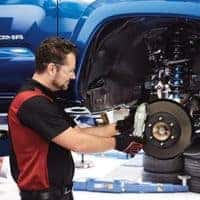
A multi-point inspection examines several important vehicle systems during a single evaluation. Rather than concentrating on one specific problem, technicians work through a broader checklist to assess the vehicle’s overall condition.
The exact inspection process can vary based on the vehicle and whether it is being inspected for routine service, resale, or a manufacturer-backed certification program. A typical inspection may cover tires, brakes, fluids, the battery, exterior lighting, windshield wipers, steering, suspension, and visible underbody components.
For a used vehicle, the goal isn’t to claim every component is new. Instead, the inspection establishes the condition of key systems and identifies items that may need maintenance, repair, or further evaluation.
What Do Technicians Check During a Multi-Point Inspection?
The inspection usually begins with components that directly influence everyday operation and safety. Technicians can evaluate tire condition and tread, brake wear, fluid levels, battery condition, and exterior lights before moving through additional mechanical systems.
A road test or more detailed diagnostic evaluation may also be appropriate depending on the vehicle and inspection program. The technician can then document findings and determine whether additional work is needed.
Common Multi-Point Inspection Areas
| Inspection Area | What Technicians May Check |
|---|---|
| Tires | Tread depth, pressure, damage and wear patterns |
| Brakes | Pads, rotors and visible braking components |
| Battery | Condition, connections and starting performance |
| Fluids | Levels, condition and visible leaks |
| Steering | Components and signs of abnormal operation |
| Suspension | Shocks, struts and related components |
| Lights | Headlights, brake lights, signals and other exterior lighting |
| Wipers | Blade condition and windshield cleaning performance |
| Belts and Hoses | Visible wear, cracking or deterioration |
| Underbody | Leaks, damage, and visible component condition |
An inspection is useful because these systems work together. Uneven tire wear, for example, could indicate more than worn tires. It may point toward improper inflation, alignment, or a suspension concern that deserves further investigation.
Why Does an Inspection Matter When Buying Used?
Used vehicles have different histories. Two Toyota RAV4 models from the same model year and with similar mileage may have experienced completely different driving conditions and maintenance routines.
One may have accumulated most of its mileage on the highway. Another may have regularly traveled on rough roads, carried heavy loads, or spent more time in stop-and-go traffic. Mileage alone cannot explain those differences.
A multi-point inspection gives buyers additional information about the vehicle’s current condition. That can help shoppers determine whether worn items need attention and whether visible mechanical systems appear to be operating as expected.
This is particularly relevant in Northern Colorado, where vehicles can encounter freezing temperatures, summer heat, snow, gravel roads, potholes, and frequent highway travel. These conditions can affect tires, batteries, brakes, suspension components, and other systems over time.
How Are Tires and Brakes Evaluated?
Tires and brakes receive particular attention because they directly affect how a vehicle stops and handles. A technician may check tire tread depth, inflation, visible damage, and uneven wear. Uneven tread can sometimes indicate an alignment or suspension concern rather than simply an aging tire.
Brake inspections may include checking brake pad thickness and examining accessible braking components for wear or damage. Technicians may also consider symptoms such as vibration, unusual noises, or changes in braking response.
| Component | Possible Warning Signs |
|---|---|
| Tires | Low tread, cracks, damage or uneven wear |
| Brake Pads | Excessive wear or limited remaining material |
| Brake Rotors | Abnormal wear, damage or other concerns |
| Suspension | Leaks, damage or excessive movement |
| Steering | Unusual looseness or abnormal operation |
A vehicle doesn’t automatically fail as a good used-car choice just because a wear item will eventually need replacement. The important point is understanding its condition before purchase.
 What About the Battery and Vehicle Fluids?
Battery condition can be especially relevant in Colorado because temperature extremes place additional demands on automotive batteries. Technicians may examine battery connections and condition and perform testing when appropriate.
Fluids also provide useful information about vehicle maintenance. Depending on the vehicle, technicians can inspect engine oil, coolant, brake fluid, windshield washer fluid, and other applicable fluids.
Low fluid does not always indicate a serious mechanical problem, but an unexplained loss may warrant further investigation. A careful inspection looks beyond simply topping off a reservoir and considers visible signs of leakage or other concerns.
Is a Multi-Point Inspection the Same as Toyota Certification?
No. A general multi-point inspection and Toyota’s Certified Used Vehicle inspection are different processes.
Toyota Certified Used Vehicles must satisfy specific program requirements and complete Toyota’s prescribed certification process. Toyota states that Certified Used Vehicles undergo a 160-point Quality Assurance Inspection, while qualifying Toyota Certified Used hybrids are evaluated using additional inspection criteria.
Toyota’s certification process examines areas including mechanical operation, braking, tires, suspension, electronics, and interior and exterior condition. Vehicle-history screening also helps determine whether a Toyota qualifies for the program.
| Inspection Type | Primary Purpose |
|---|---|
| General Multi-Point Inspection | Evaluate the condition of important vehicle systems |
| Used Vehicle Evaluation | Help assess condition before resale or purchase |
| Toyota Certified Used Inspection | Determine whether an eligible Toyota meets Toyota certification standards |
| Routine Service Inspection | Identify maintenance or wear concerns during ownership |
Shoppers who want to understand the additional standards behind Toyota certification can also explore our Certified Pre-Owned Vehicles From Toyota guide. It explains how certified vehicles differ from other pre-owned choices and what shoppers should consider when comparing them.
Does Every Used Toyota Have to Be Certified?
No. A used Toyota does not have to be Toyota Certified to be worth considering. Dealership inventories can include both certified and non-certified used vehicles, giving shoppers choices based on age, mileage, budget, model, and other priorities.
Certification is a specific manufacturer-backed program with defined eligibility and inspection requirements. A non-certified used vehicle may still be a suitable choice, but shoppers should understand the difference instead of assuming all dealership used vehicles carry the same certification.
When browsing Toyota used inventory, ask whether the specific vehicle is Toyota Certified, what inspection it received, and whether a vehicle history report is available. Clear answers make it easier to compare similar models.
Can an Inspection Predict Every Future Repair?
No. A multi-point inspection provides information about a vehicle’s condition at the time of inspection, but it cannot guarantee that a component will never require future repair.
Vehicles contain mechanical, electrical, and electronic parts that wear over time. Even a carefully maintained vehicle can eventually require maintenance or unexpected repairs.
That does not reduce the value of an inspection. Instead, it clarifies what the process is designed to accomplish. A thorough inspection helps identify visible or measurable concerns at the time of evaluation so shoppers can make a more informed decision.
How Should You Use Inspection Results When Shopping?
Start by considering the findings alongside mileage, age, service history, vehicle history, and how you intend to use the vehicle. A Tacoma intended for regular towing may deserve different consideration from a Corolla primarily used for commuting around Greeley.
Ask questions when something is unclear. Find out whether identified maintenance has already been completed, whether a wear item will need attention soon, and whether the vehicle qualifies for Toyota Certified Used Vehicle benefits.
McDonald Toyota Greeley offers pre-owned vehicles for shoppers throughout Greeley, Fort Collins, Loveland, Windsor, and surrounding Northern Colorado communities. Comparing inspection information with vehicle history and a test drive can help narrow your choices to vehicles that fit your priorities.
Ultimately, a multi-point inspection is about information. It gives used-car shoppers a structured look at important vehicle systems instead of relying solely on appearance, mileage, or a short test drive. When you are ready to explore used Toyota options, reviewing the available inspection and history information can help you shop with greater confidence.

0 comment(s) so far on Multi-Point Inspection Process Explained