

How Often Should Tires Be Checked for Wear?
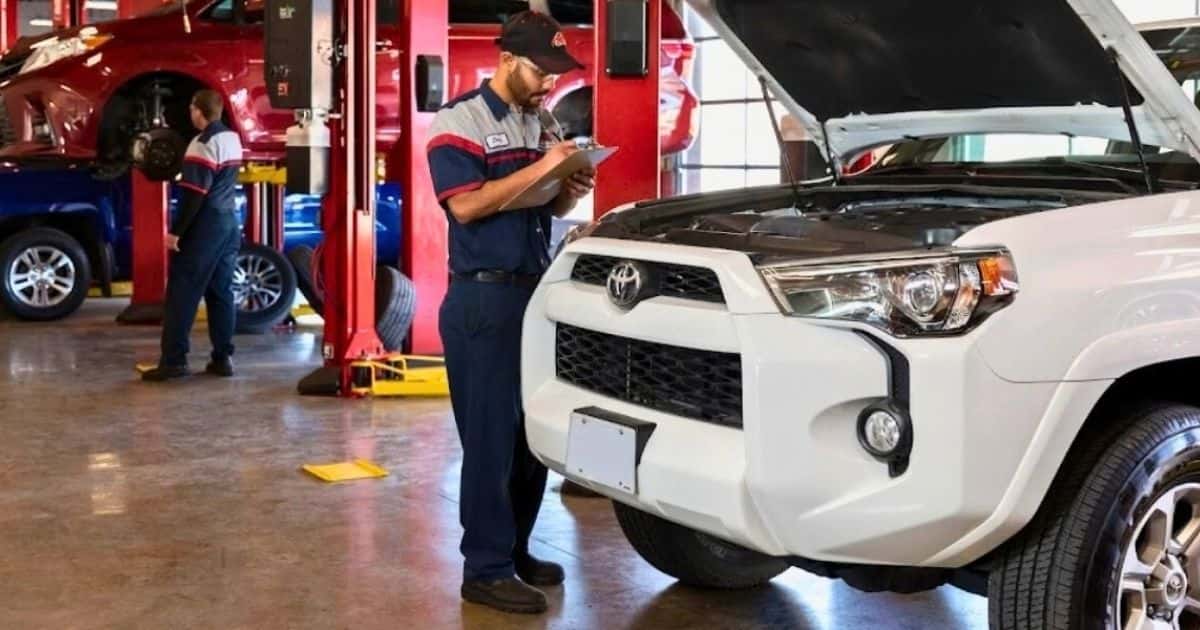
Inspect tires regularly because their condition directly affects traction, braking, handling, and ride quality. Toyota recommends inspecting tires at regular service visits, and drivers should generally check tire pressure at least once a month. Drivers should also check their tires between appointments, especially before long trips or after hitting potholes, road debris, or other harsh conditions.
Knowing when Toyota tire replacement is necessary requires more than checking mileage. Tread depth, uneven wear, physical damage, tire age, inflation pressure, and driving conditions all matter. For drivers around Greeley, CO, regular checks are especially useful because Northern Colorado roads expose tires to temperature swings, winter weather, highway travel, gravel, and rough pavement year-round.
How Often Should You Inspect Your Tires?
Each month, take a moment to check your tires for visible wear or damage and confirm they are inflated to the recommended pressure. A more thorough inspection should be part of regular vehicle service. Many Toyota vehicles have scheduled maintenance checkpoints every 5,000 miles or six months, although owners should follow the maintenance schedule for their specific model.
Extra inspections make sense before long trips or after unusual events. Hitting a deep pothole, driving over road debris, or noticing new vibration are all reasons to look at the tires sooner.
A Practical Tire Check Schedule
| When to Check | What to Inspect |
|---|---|
| At least monthly | Inflation pressure, visible damage and general tread condition |
| Regular service visits | Tread depth, uneven wear, pressure and tire condition |
| Before a long trip | Pressure, tread, sidewalls and spare tire |
| After hitting a pothole | Sidewall damage, vibration and alignment symptoms |
| During seasonal changes | Pressure, tread condition and weather suitability |
| When handling changes | Wear, damage, balance and alignment |
Regular checks make it easier to spot gradual changes. A tire may still hold air while developing uneven tread or other damage that deserves professional attention.
What Tire Wear Signs Should You Look For?
Tread depth is one of the easiest indicators to monitor. Tires include treadwear indicators molded into their grooves. When the tread reaches the level of these wear bars, the tire has reached its replacement point and should be replaced.
Physical condition matters too. Cuts, deep cracks, splits, bulges, or other visible damage can indicate a tire needs professional inspection. A tire that repeatedly loses air also deserves attention, even when its tread appears usable.
| Warning Sign | What It Can Mean |
|---|---|
| Tread at wear indicators | Replacement is needed |
| Uneven tread wear | Possible pressure, rotation, alignment, or suspension issue |
| Sidewall bulge | Possible internal tire damage |
| Deep cut or crack | Tire structure may be compromised |
| Repeated pressure loss | Possible puncture, valve, wheel, or tire problem |
| Excessive vibration | Possible balance, tire, wheel, or suspension concern |
| Poor ride quality | Tire condition should be inspected |
Drivers should avoid judging tires solely by appearance from several feet away. Some problems become obvious only when examining the entire tread and sidewall closely.
How Do You Check Tire Tread Depth?
 Tread depth measures how much usable rubber remains in a tire’s grooves. In the United States, 2/32 of an inch is generally considered the minimum tread depth, and built-in wear indicators help drivers recognize when the tread has reached that point.
However, minimum tread depth should not be the only consideration. Tires with greater tread depth generally have more capacity to channel water, snow, and slush than severely worn tires. Drivers who regularly encounter challenging weather may want a professional assessment before reaching the absolute minimum.
Another useful clue is uneven wear. If one shoulder is much more worn than the other, or the center wears unusually quickly, the problem may involve tire pressure, alignment, rotation patterns, or another vehicle condition. Replacing a worn tire without investigating the cause could allow the same pattern to develop again.
Why Does Tire Pressure Affect Wear?
Correct inflation helps the tread contact the road as intended. Underinflation and overinflation can both contribute to abnormal tire wear and affect handling, fuel efficiency, and ride quality.
Toyota recommends checking tire pressure when the tires are cold. The proper pressure is vehicle-specific, so use the specification on the driver’s door-jamb label or in the owner’s manual rather than the maximum pressure printed on the tire sidewall.
Cold weather deserves particular attention in Northern Colorado because tire pressure decreases as temperatures fall. Drivers traveling between Greeley, Fort Collins, Loveland, Windsor, and Johnstown may experience significant seasonal temperature changes, making regular pressure checks especially worthwhile.
A Tire Pressure Monitoring System can alert drivers when pressure drops significantly, but it does not replace routine manual checks.
Can Tire Rotation Help Prevent Uneven Wear?
Yes. Tire rotation changes each tire’s position on the vehicle so the set can wear more evenly over time. Front and rear tires can experience different loads and forces, particularly during steering, acceleration, and braking.
Rotation schedules vary by vehicle and tire. Toyota recommends following the owner’s manual and tire manufacturer’s guidance for the appropriate interval and rotation pattern.
Regular rotation also creates an opportunity to inspect tread depth, pressure, balance, and overall tire condition. That makes tire rotation both a maintenance procedure and a useful preventive inspection.
Our related guide, Tire Care And Maintenance Basics, explores these routine practices in greater detail, including inflation, rotation, alignment, and other habits that can help owners get the most from their tires.
Does Wheel Alignment Affect Tire Life?
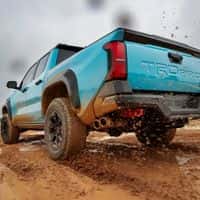 Alignment determines how the wheels are positioned relative to the vehicle and road. When alignment moves outside the proper specifications, tires can develop accelerated or uneven wear.
Common warning signs include a vehicle pulling to one side, an off-center steering wheel, or noticeably uneven tread wear. Potholes, curbs, and rough roads can contribute to alignment concerns.
Alignment is especially relevant around Greeley because changing road surfaces and winter potholes can strain tires and suspension components. If you notice abnormal wear, technicians can inspect the vehicle to determine whether alignment, tire pressure, suspension condition, or another issue is responsible.
How Long Do Toyota Tires Last?
There is no universal mileage at which every Toyota needs new tires. Tire life depends on many factors, including tire design, vehicle type, road conditions, inflation, alignment, rotation history, driving habits, climate, and load.
Age matters independently of tread depth. Toyota owner guidance states that tires more than six years old should be checked by a qualified technician, even if they have seen little use or show no obvious damage.
This is why replacement decisions should consider both condition and age. A low-mileage vehicle can still have aging tires, while a high-mileage commuter may wear through tread much sooner.
When Is Toyota Tire Replacement Necessary?
Toyota tire replacement may be necessary when treadwear indicators are showing, a tire has significant physical damage, it cannot be safely repaired, or age and condition make continued use unsuitable. Persistent air loss, poor ride quality, or abnormal wear are also reasons to arrange an inspection.
Replacing tires is not simply about installing the same diameter. Replacement tires must meet the vehicle’s specifications, including size, load capability, and other requirements. Matching the correct tire to the Toyota helps preserve the handling and performance characteristics engineers intended.
McDonald Toyota Greeley offers tire inspection, mounting, balancing, and replacement services. Toyota-trained and certified technicians can also help match replacement tires to vehicle specifications and evaluate whether unusual wear points to another maintenance concern.
Why Tire Checks Matter for Northern Colorado Drivers
Colorado creates varied conditions for tires. Snow, freezing temperatures, gravel roads, or a weekend trip toward higher elevations may follow a weekday commute along Highway 34. Regular inspections help drivers determine whether their tires still suit those changing conditions.
McDonald Toyota Greeley serves Toyota owners from Greeley, Fort Collins, Loveland, Windsor, Johnstown, and surrounding Weld County communities. Tire checks can be part of routine service, so technicians evaluate tread condition, inflation, and wear patterns alongside other maintenance needs.
The simplest approach is consistency. Check tire pressure and visible condition monthly, have the tires inspected during regular service, and arrange an additional inspection whenever damage or unusual wear appears. Those habits make it easier to determine when rotation, alignment, repair, or replacement is actually necessary.

0 comment(s) so far on How Often Should Tires Be Checked for Wear?